Living in a rural home offers a unique sense of space, quiet, and connection to the natural environment. A country house has undeniable charm, but its older design and systems can feel out of step with modern comfort and efficiency.
Modernising a countryside property isn’t about erasing its character. Instead, it aims to enhance its strengths by blending traditional appeal with smart, functional updates. This balance creates a home that feels comfortable for daily life and resilient in its setting.
The following ideas offer ways to bring modern convenience without losing the soul of a rural residence.
1. Upgrade to Renewable Energy Sources
A big step in modernising a rural home is rethinking its energy supply. With ample land and access to natural elements like sun and wind, country properties are ideal for renewable energy systems.
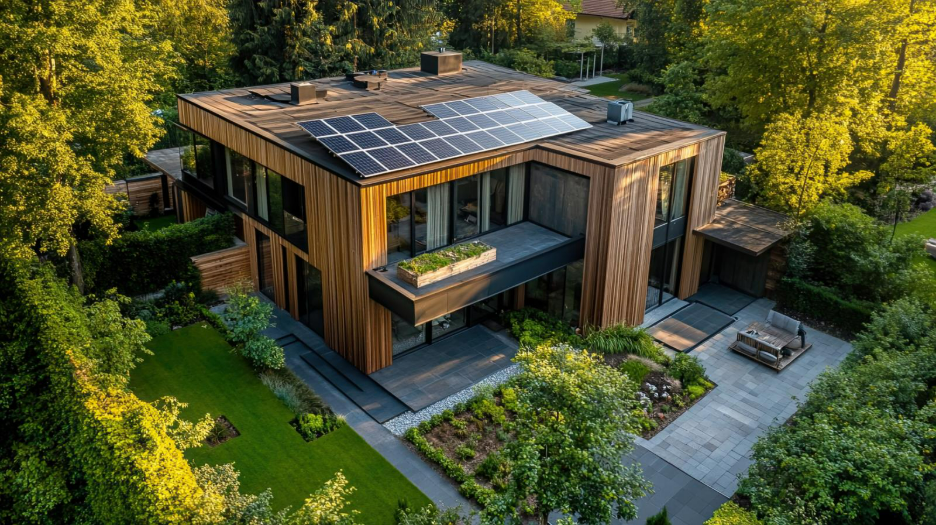
Installing solar panels is a common starting point. They can significantly cut electricity bills and reduce reliance on the traditional power grid. Even better, you can apply for ECO4 funding to help cover some of the cost, making the switch more affordable. For homes with a stream or flowing water, small-scale hydroelectric power can also turn nature into your personal energy source.
Of course, energy efficiency isn’t just about electricity. Heating and cooling play a big role in comfort and running costs. Some country homes still rely on oil boilers, which can be expensive and less eco-friendly. The good news is that there are modern alternatives. For one, geothermal heat pumps use the earth’s stable temperature to keep your home cosy in winter and pleasantly cool in summer.
If installation is a concern, there’s no need to worry. Some installers offer free oil boiler replacement. You just need to check if you’re eligible, and the same applies to solar panels. These systems help reduce your environmental footprint while increasing your home’s self-sufficiency.
2. Improve Insulation and Sealing
Once you’ve thought about how your home is powered, the next step is ensuring energy doesn’t go to waste. Drafts and uneven temperatures often plague older rural homes because of poor insulation. Fixing this is one of the easiest ways to boost comfort and save on bills. Key areas to check include the attic, walls, and floors. Modern insulation materials, like sheep’s wool or cellulose blow-in, often outperform older options and are more environmentally friendly.
Windows and doors are a major source of energy loss in older homes. Replacing single-pane windows with double or triple glazing reduces heat transfer and outside noise. For original wooden windows worth preserving, secondary glazing provides a less invasive solution. It also helps to seal gaps around door frames, window casings, and areas where pipes or wires pass through the walls, using caulking or weatherstripping for a tighter fit.
These improvements help maintain a consistent indoor temperature, lower energy costs, and make the home quieter and more comfortable.
3. Revamp Kitchen Area
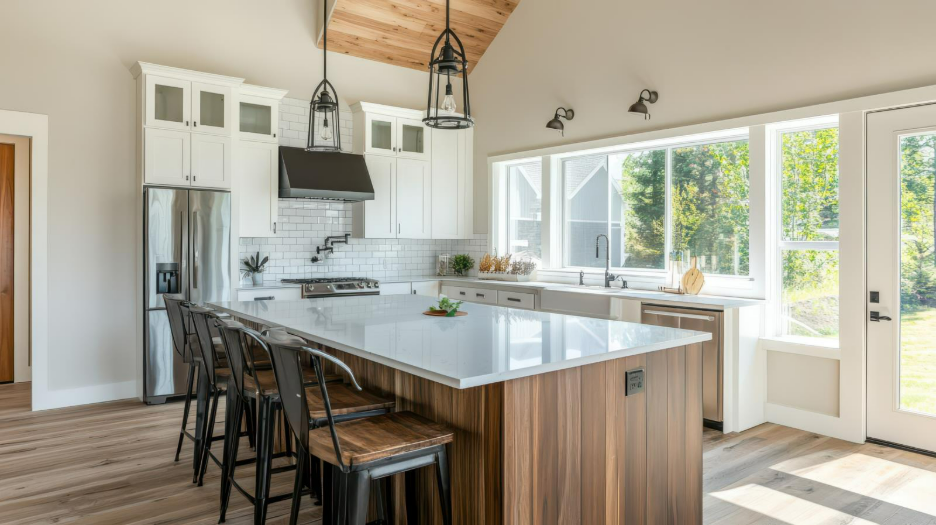
The kitchen is the heart of any homestead, and modern design can make it both stylish and practical. Keeping features like exposed beams, stone walls, or a farmhouse sink preserves character, while sleek cabinets and updated appliances add functionality. Neutral tones and handleless cabinets blend effortlessly with rustic finishes. This style creates a timeless look that feels warm and inviting.
When it comes to countertops, materials make a big difference. Quartz, granite, or even polished concrete add durability and a clean finish that withstands busy family life. Pairing these surfaces with natural wood accents keeps the space grounded and harmonious with its countryside setting.