Top Tips for Researching and Booking Your Ideal Campsite in the UK
Choosing the right campsite is one of the most crucial steps in planning a successful camping trip in the UK. Whether you’re pitching a tent in the Peak District, parking your campervan on the Cornish coast, or settling your motorhome in the Scottish Highlands, the campsite you choose can make or break your experience. A well-selected site offers not just a place to sleep, but also the opportunity to fully immerse yourself in the natural beauty of the British countryside.
Imagine arriving at your destination after a long drive, only to find your pitch is waterlogged, exposed to strong winds, or miles away from the nearest walking trail. I’ve been stuck in the mud before at a campsite, and trust me, it’s not the best way to start a holiday. But with a little planning and knowledge, these pitfalls can easily be avoided.
In this guide, we’ll explore the key factors to consider when choosing a campsite in the UK. From the type of site that suits your needs to the specific amenities you should look for, we’ll cover everything you need to know to ensure your next camping trip is as enjoyable and stress-free as possible. So, whether you’re a seasoned camper or setting out on your first adventure, read on to discover how to pick the perfect spot for your stay.
Types of Campsite
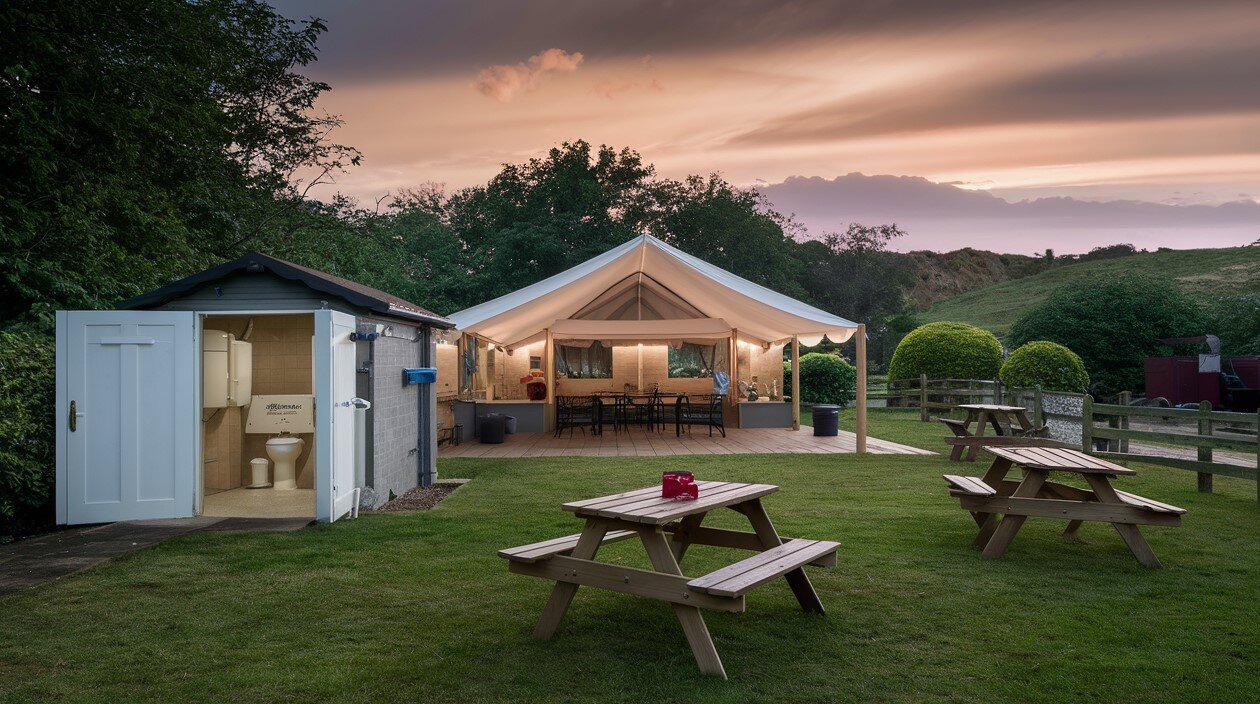
Campsites can range from small, family-run sites to large, commercial campgrounds with a wide range of amenities. These sites often offer decent creature comforts—think heated shower blocks, on-site shops, and even Wi-Fi.
Many campsites cater specifically to certain types of campers, such as those with motorhomes, campervans, or families with young children. The downside? Private sites can be expensive and sometimes feel a bit more crowded, especially during peak season
I once stayed at a small, privately-owned site in Cornwall that had the friendliest owners and a little café that served the best cream teas—those little extras really can make a difference.
Developed vs. Wild Campsites
A key consideration when selecting your campsite is whether you want a developed site with full facilities or if you’re up for the challenge of wild camping. The UK offers a variety of options, and understanding the differences between these types of sites will help you choose the one that best suits your needs.
Developed Campsites
Developed campsites are the most common type of site and offer a range of facilities, including restrooms, showers, electrical hookups, and often a small shop or café. These sites are perfect for those who enjoy the outdoors but still want a few home comforts
Developed campsites vary greatly in size and amenities. Some offer just the basics, while others come with extras like laundry rooms, children’s play areas, and even swimming pools. If you’re traveling with a motorhome or campervan, developed sites often provide hardstanding pitches and waste disposal points.
Personally, I love the balance that a developed site offers. After a long day of hiking or exploring, there’s something comforting about knowing you can come back to a hot shower and a proper cuppa.
Wild Camping
For those seeking a more adventurous experience, wild camping might be the way to go. Wild camping is legal in Scotland and permitted in certain areas of Dartmoor, but elsewhere in the UK, it’s generally restricted unless you have landowner permission.
Wild camping offers unparalleled solitude and a true connection with nature. You’ll be responsible for all your needs—there are no toilets, showers, or water taps out here. The key to wild camping is to leave no trace: pack out everything you bring in and respect the natural environment.
I’ve had some of my most memorable nights under the stars while wild camping in the Scottish Highlands. The feeling of waking up to absolute silence, with nothing but the sound of a distant stream and the call of birds, is something every camper should experience at least once.
Key Factors to Consider When Booking a Campsite
Location
The location of your campsite is arguably the most critical factor in shaping your overall camping experience. Whether you’re drawn to the rugged beauty of the Scottish Highlands, the serene beaches of Cornwall, or the rolling hills of the Yorkshire Dales, selecting the right location is vital.
Consider the Following:
- Proximity to Attractions: Being near what you want to see and do is crucial. For example:
- Hikers: Sites near popular trails or peaks.
- Beach Lovers: Campsites with direct access to the coast.
- Example: On a trip to Northumberland, I chose a site that was just a 10-minute walk from the beach—ideal for morning walks and sunrise views.
- Accessibility:
- Check how easy the site is to reach, particularly for larger vehicles like campervans or motorhomes.
- Consider the approach roads: Narrow lanes and steep inclines can be challenging.
- Tip: On a Cornish trip, navigating our motorhome through a tight country lane proved quite the challenge—one I’d prefer to avoid next time!
- Distance from Home:
- How far are you willing to travel?
- For a weekend getaway, a closer site maximizes your time at the campsite.
- For longer stays, consider more remote or scenic locations.
Campsite Size
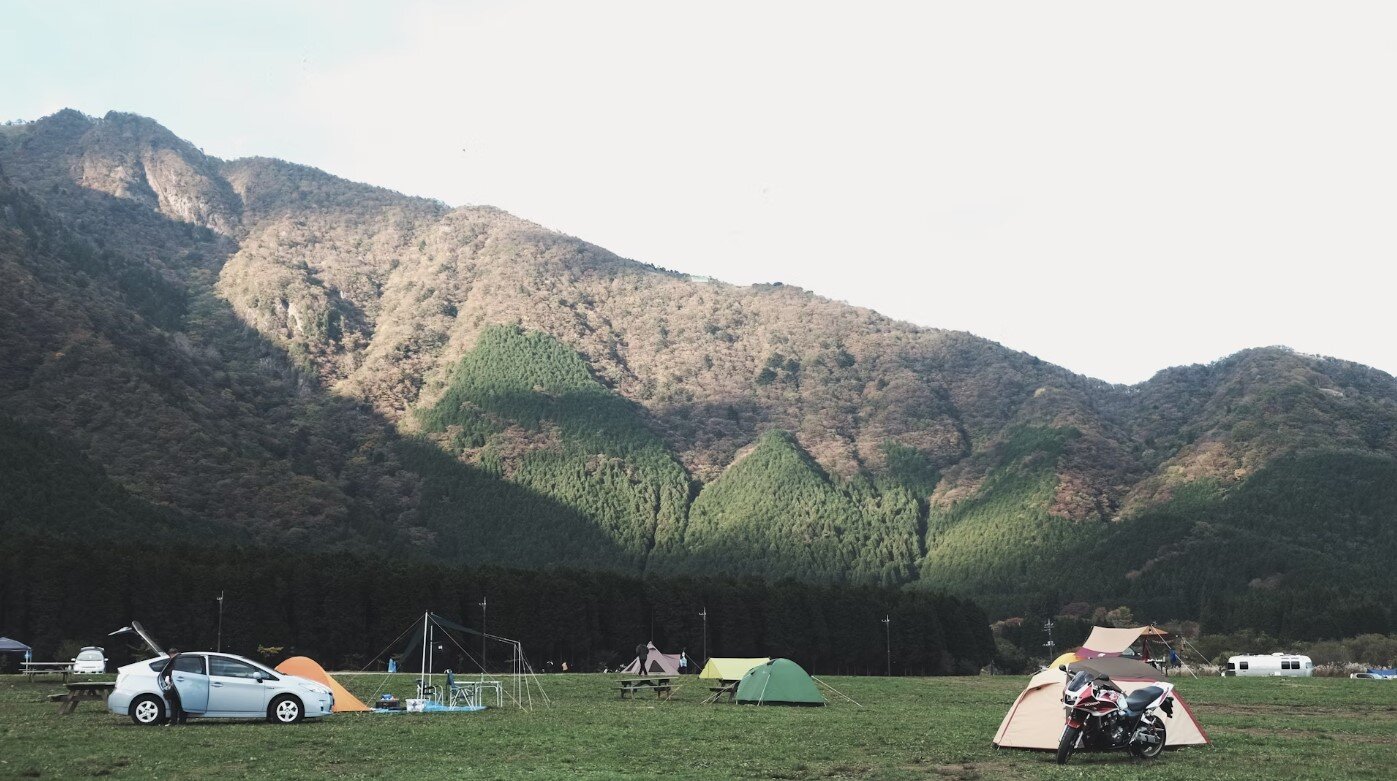
The size of the campsite can significantly influence your comfort and convenience, especially when considering space for tents, campervans, or group setups.
Key Considerations:
- Tent Size Considerations:
- Ensure the pitch is large enough for your tent, gear, and any additional furniture.
- UK pitches can be snug, especially in popular areas, so plan accordingly.
- Check out our guide to the best inflatable tents if you require some inspiration
- Personal Note: During a trip to the Cotswolds, we had to creatively arrange our tent and gear to fit everything on our small pitch—but with some planning, it worked out beautifully.
- Motorhome/Campervan Size Considerations:
- Verify that the site can accommodate the size of your vehicle.
- Some older or rustic sites may have smaller pitches unsuitable for larger motorhomes or campervans.
- Group Size:
- Determine whether the site is appropriate for your group’s size.
- Some campsites are tailored for smaller groups or couples, while others can host larger gatherings.
Terrain and Ground Conditions
The terrain and ground conditions are essential for ensuring a comfortable stay, particularly given the UK’s unpredictable weather.
Factors to Watch Out For:
- Flat and Dry Ground:
- Look for level, well-drained ground to avoid waking up in a puddle after a typical British downpour.
- Sloped or uneven terrain can result in an uncomfortable night’s sleep.
- Lesson Learned: Even a slight incline can turn into a frustrating “chase the sleeping bag” scenario during the night—experience has taught me the importance of a flat pitch.
- Shade and Sun Exposure:
- Balance between shade and sunlight. Shade is a blessing on hot days, but too much can make the site damp and chilly.
- Consider the site’s exposure to the morning sun and its potential to dry off your tent after a dewy night.
- Experience: Camping under a beautiful canopy in the Lake District was idyllic, but after a few days of rain, the dampness was a bit much.
- Wind Exposure:
- Check for natural windbreaks, such as hedges or trees, especially in coastal or exposed areas.
- Wind can quickly turn a peaceful night into a battle with flapping tent fabric.
- Tip: Camping on exposed cliff tops with strong winds can be exhilarating but challenging—choose your site with care.
Amenities and Facilities
The availability and quality of amenities can make a significant difference, particularly for longer stays or if you’re camping with less-experienced campers.
Evaluate the Following:
Amenity | Importance | Key Considerations |
Water Access | Essential | Ensure there’s potable water nearby. Some rural sites have limited access—bring containers to transport water if necessary. |
Restrooms and Showers | Highly Desirable | Look for clean, heated facilities, particularly important in colder months. A warm shower after a day of exploring can feel luxurious. |
Fire Pits and BBQs | Nice to Have | Verify whether fire pits or BBQs are provided or permitted. Some sites may have restrictions, particularly in forested or conservation areas. |
Personal Insight: At a particular site in the Lake District, the hot showers were almost too good to leave—those little comforts really do matter, especially after a chilly hike.
Noise and Privacy
Noise levels and privacy are often overlooked but can dramatically affect your experience, particularly if you’re seeking a peaceful retreat.
Things to Consider:
- Distance from Other Campers:
- Check the spacing between pitches. More space usually means more privacy and less noise from neighbouring campers.
- Smaller, less commercial sites often offer a quieter experience compared to larger, busier sites.
- Observation: I’ve found that smaller, less commercial sites provide a much more tranquil atmosphere, especially during peak season.
- Noise Levels:
- Be aware of potential noise sources like nearby roads, rivers, or even pubs.
- Consider whether you prefer the sounds of nature or need a more insulated environment.
- Anecdote: On one trip, we camped near a lively pub, which seemed like a great idea—until the live music started and didn’t stop until late into the night!
Safety Considerations
Safety is paramount, especially when camping in unfamiliar or remote areas. Ensuring you’re aware of the local environment and potential risks is essential.
Safety Checklist:
- Wildlife:
- Research local wildlife, particularly if you’re in an area known for certain species (e.g., adders in heathlands or midges in Scotland).
- Take precautions to protect food from animals.
- Personal Tip: After a particularly midge-filled evening in the Highlands, I’ve never camped without bug repellent again!
- Flood Risk:
- Check the site’s flood risk, particularly if it’s near a river or in a low-lying area.
- Always choose higher ground if there’s any potential for flooding.
- Fire Safety:
- Follow local regulations regarding campfires and BBQs. Ensure you have a means to extinguish fires safely.
- Some sites provide designated fire areas; others may ban open flames altogether, especially during dry spells.
- Final Thought: Being prepared and following safety guidelines not only protects you but also helps preserve these beautiful sites for future campers.
By carefully considering these key factors, you’ll be well-equipped to choose the perfect campsite, ensuring that your UK camping adventure is comfortable, enjoyable, and safe.
Kids and Pets – Special Considerations
Camping is a fantastic way to immerse yourself in nature, but when you’re planning a trip with children, pets, or during specific seasons, there are additional factors to consider. This section will guide you through the essential aspects of camping with kids and pets, as well as how to handle the varying demands of different seasons.
Camping with Children
Camping can be a magical experience for children, offering them the chance to explore, play, and connect with nature. However, ensuring that the campsite is child-friendly and safe is crucial for a successful family trip.
Kid-Friendly Sites:
- Playgrounds and Open Spaces:
- Look for campsites with designated play areas where children can run and explore. These spaces are great for letting kids burn off energy and engage in physical activities.
- Open fields or grassy areas are ideal for games and sports, making them perfect for families with active children.
- Personal Note: On a family camping trip in the Cotswolds, the on-site playground was a hit with my kids. It allowed them to play safely while we relaxed nearby.
- Safe Water Access:
- If the campsite is near a body of water, ensure that there are safe, designated swimming areas. Check for lifeguards or swimming restrictions and be cautious of deep or fast-moving water.
- Family-Oriented Activities:
- Look for sites offering nature trails, wildlife spotting, or educational programs tailored for children. These activities can be both entertaining and educational, enriching the camping experience.
- Tip: We once stayed at a site in the Lake District with a fantastic nature trail and guided wildlife tours. The kids loved learning about the local flora and fauna while exploring the trails.
Safety Measures:
- Hazards Awareness:
- Keep a close eye on children around potential hazards such as steep terrain, fast-moving rivers, or rocky areas. Ensuring they stay within safe boundaries is essential.
- Emergency Preparedness:
- Have a clear plan for emergencies. Make sure you have a first aid kit readily accessible and know the location of the nearest medical facility.
- Experience: During a camping trip in the Peak District, a minor fall led to a cut on my child’s knee. Having our first aid kit and knowing where the nearest medical centre was helped us handle the situation quickly and calmly.
Camping with Pets
Bringing pets along on your camping trip can be a wonderful experience, but it requires careful planning to ensure that both your furry friend and fellow campers have a positive experience.
Dog-Friendly Sites:
- Site-Specific Restrictions and Amenities:
- Check the campsite’s pet policies before booking. Some sites have restrictions or additional fees for pets. Ensure the site provides adequate amenities for dogs, such as waste disposal stations and fenced areas.
- Nearby Dog-Friendly Walks or Beaches:
- Look for campsites near dog-friendly walking trails or beaches where your pet can run and play. This ensures your pet has ample exercise and enjoyment during the trip.
- Personal Tip: Finding a campsite near a dog-friendly beach in Devon made our trip much more enjoyable. The dogs had a fantastic time playing in the sand, and we could relax knowing they were having fun too.
Leash Rules:
- Keeping Dogs on Leads:
- Many campsites require dogs to be kept on leads, especially in areas with livestock or wildlife. Ensure your dog is well-trained and comfortable on a lead to avoid any issues.
- Respecting Local Regulations:
- Be aware of local regulations and restrictions concerning dogs. For instance, some areas may have seasonal restrictions to protect wildlife or grazing animals.
- Insight: On a trip to the Scottish Highlands, adhering to leash rules around livestock was crucial. A well-behaved dog on a lead ensured we respected the local farming practices and kept our pet safe.
Seasonal Considerations
The season in which you camp can significantly affect your experience. Whether you’re planning a summer getaway or a winter adventure, understanding the seasonal differences and preparing accordingly is key.
Summer vs. Winter Camping:
- Summer Camping:
- Site Selection: Summer often requires early booking due to high demand. Look for sites with amenities like shade or cooling areas to handle the warmer temperatures.
- Comfort Considerations: Ensure that the site has adequate water supplies and access to cool, shaded areas. A campsite with good ventilation is also important for staying comfortable during hot nights.
- Personal Experience: During a summer trip to Cornwall, booking well in advance was essential to secure a spot. The site’s shady spots and nearby water access made the heat much more bearable.
- Winter Camping:
- Hardstanding Pitches: For motorhomes or campervans, hardstanding pitches can be crucial in winter to avoid boggy, muddy conditions.
- Insulation and Heating: Consider additional insulation for tents or adequate heating solutions for campervans to stay warm during colder nights.
- Tip: On a winter camping trip in the Yorkshire Dales, hardstanding pitches were invaluable. They prevented our campervan from getting stuck in the mud after a heavy snowfall.
Weather Forecast:
- Adjusting for Rain:
- Prepare for potential rainfall by choosing a site with good drainage and ensuring your tent or shelter is waterproofed. Bring along waterproof clothing and gear to stay dry.
- Preparing for Wind:
- Ensure your shelter is securely pitched with extra guy lines if necessary. Look for sites with natural windbreaks or set up in a protected area.
- Temperature Drops:
- Be prepared for colder temperatures, especially at night. Layer your clothing and use a sleeping bag suitable for the expected conditions.
- Personal Insight: During a rainy trip in the Peak District, having waterproof gear and a well-situated tent made a huge difference. Staying dry and comfortable ensured that the weather didn’t dampen our spirits.
By considering these special aspects of camping, you can better prepare for a family-friendly, pet-friendly, and seasonally appropriate adventure. Whether you’re managing the needs of children, pets, or dealing with different weather conditions, the right preparation makes all the difference in ensuring a successful and enjoyable camping experience.
How to Research and Reserve a Campsite
Planning a camping trip involves more than just packing your gear and choosing a destination. Properly researching and reserving a campsite is crucial for ensuring you have a pleasant experience. This section will guide you through the best practices for using online resources, making reservations, and understanding campsite policies.
Online Resources
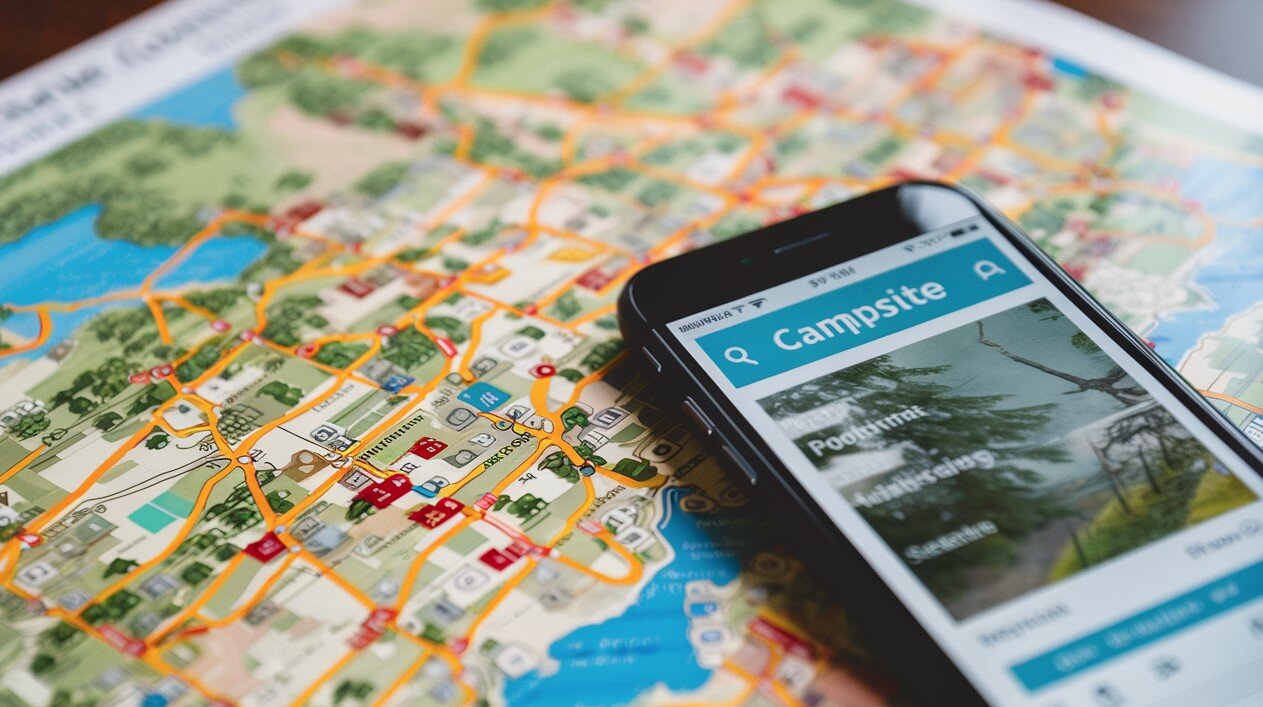
Finding the right campsite starts with effective research. Leveraging online resources can provide you with comprehensive information, user reviews, and real-time availability.
Campground Websites:
- Official Websites:
- Importance: Checking the official website of a campground is the best way to get accurate and up-to-date information. These sites typically offer details on amenities, site layouts, and current availability.
- Photos and Virtual Tours: Many campground websites feature galleries or virtual tours, giving you a better sense of what to expect. This can be particularly useful for visualising the site before booking.
- Personal Tip: When I was planning a trip to the New Forest, the official website’s photos and detailed descriptions helped me choose the perfect pitch for our family’s needs. It made a huge difference in our overall experience.
- Booking Systems: Some campgrounds offer online booking systems directly through their website, allowing for a straightforward reservation process.
Review Sites and Apps:
- UK-Specific Apps:
- Pitchup.com: Provides comprehensive information on campsites across the UK, including user reviews, ratings, and availability. It’s a handy tool for comparing different sites and making an informed decision.
- Hipcamp.com Features a curated list of campsites, often highlighting unique or boutique options. It’s great for finding less conventional or higher-end camping experiences.
- UKCampsite.co.uk: A popular site offering extensive reviews and ratings, helping you gauge the quality of various campsites based on fellow campers’ experiences.
- Experience: Using Pitchup for a trip to the Yorkshire Dales, I was able to read multiple reviews about a site we were considering, which helped us avoid a site with issues like poor drainage and noisy roads.
- Comparison and Filtering: These platforms often allow you to filter results based on your specific preferences, such as pet-friendly sites, family amenities, or accessibility features.
Social Media and Forums:
- Camping Communities:
- Facebook Groups: Joining UK-based camping groups (e.g. Camping Secrets!) can provide you with real-time advice and recommendations from fellow campers. Groups often share recent experiences, tips, and campsite suggestions.
- Camping Forums: Websites and forums dedicated to camping in the UK, such as those on UKCampsite or The Camping and Caravanning Club, offer in-depth discussions and advice.
- Personal Insight: Engaging with a Facebook group dedicated to camping in Scotland led to discovering a hidden gem of a campsite that wasn’t listed on major booking sites. The personal recommendations made a real difference in our trip planning.
Making a Reservation
Once you’ve selected your ideal campsite, the next step is to secure your spot. Understanding how to effectively make and manage reservations is key to a smooth camping experience.
Booking in Advance:
- Peak Season Considerations:
- Timing: During peak times, such as summer holidays and bank holidays, campsites can book up quickly. It’s advisable to make reservations well in advance to secure your preferred dates and site.
- High Demand Sites: For particularly popular campsites, consider booking several months ahead to ensure availability.
- Tip: During a summer trip to Cornwall, booking three months in advance was essential. The popular site we chose was fully booked by the time we made our reservation, but securing our spot early ensured a stress-free experience.
Cancellation Policies:
- Understanding Policies:
- Flexibility: Review the campsite’s cancellation policy carefully. This is especially important given the UK’s unpredictable weather and potential travel restrictions.
- Refunds and Rescheduling: Check if the campsite offers refunds, partial refunds, or the option to reschedule in case your plans change.
- Personal Experience: On a trip to Wales, we had to cancel due to sudden changes in weather. Understanding the campsite’s flexible cancellation policy allowed us to reschedule without losing our deposit.
First-Come, First-Served Sites:
- Securing a Spot:
- Arriving Early: For campsites that operate on a first-come, first-served basis, arriving early in the day can increase your chances of getting a good spot.
- Preparation: Be prepared to set up quickly and have a backup plan in case your preferred site is already taken.
- Insight: On a remote camping trip in the Scottish Highlands, arriving early ensured we got a prime spot with the best views. Having a backup plan in mind helped us stay flexible in case our first choice was occupied.
By thoroughly researching and reserving your campsite, you can avoid common pitfalls and ensure a more enjoyable camping experience. From leveraging online resources to understanding booking policies, these steps will help you secure the ideal spot and make the most of your outdoor adventure.
Conclusion
Choosing the right campsite can make all the difference between a memorable outdoor adventure and a stressful experience. To recap, when selecting a campsite, it’s essential to consider the following key factors:
- Type of Shelter: Whether you’re using a tent, campervan, or motorhome, ensure the site meets your shelter needs and provides adequate facilities.
- Special Considerations: Factor in the needs of children or pets, and prepare for seasonal variations to ensure a comfortable and enjoyable stay.
- Research and Reservations: Utilize online resources, read reviews, and make reservations well in advance to secure your ideal site. Understand the cancellation policies and be prepared for first-come, first-served scenarios.
With these considerations in mind, you’re well on your way to planning a fantastic camping trip. Don’t wait—start planning your next adventure today using the tips and insights provided. Whether you’re seeking a family-friendly site, a dog-friendly getaway, or just the perfect spot for a seasonal escape, the right preparation will set you up for success.
Final Tip: Flexibility and preparation are your best friends in camping. Be ready to adapt to the campsite conditions and unexpected changes. A little bit of planning combined with a willingness to go with the flow will help ensure that your camping experience is as enjoyable and stress-free as possible.
Happy camping, and may your next outdoor adventure be filled with great memories and stunning landscapes!