
Geocaching: the Ultimate Free Camping Activity for the Whole Family
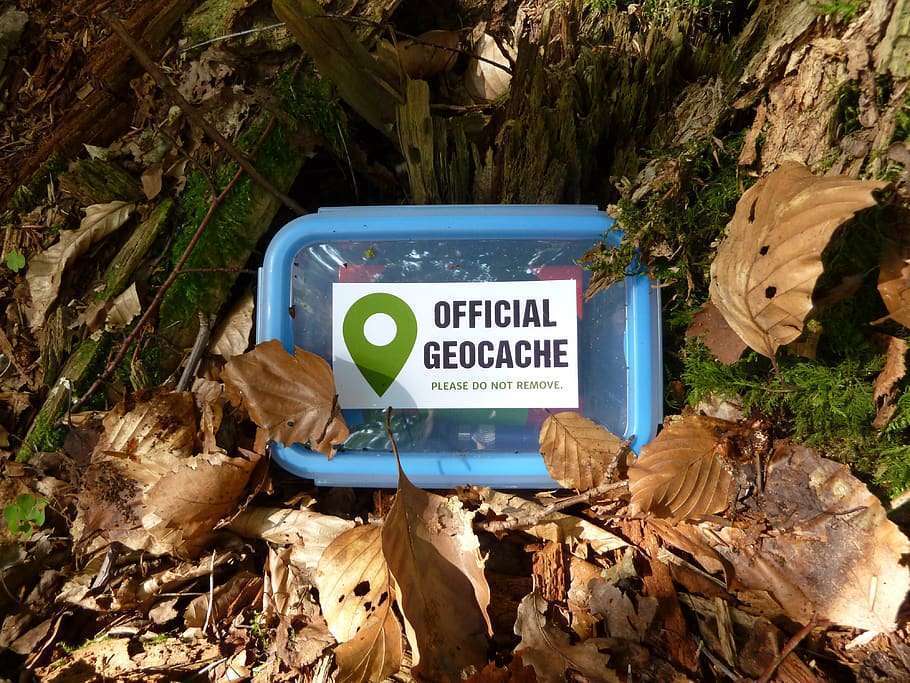
Geocaching App
So first download the app for your smartphone and install in the usual way.
If you have an Apple iPhone then click here: 
If you have an Android phone then click here: 
You will need to create a free account in the app or login with Facebook. Once this is done, you will be presented with a map of your surrounding area.
Geocaching Near Me – Find a Cache
If you then zoom in on the map, you’ll see a series of little icons laid out in random places, be it town or country, coastline or national park. The main icon type is a green circle with a little white box drawn on – this represents a cache which you can find on the free version of the app. You can have years of fun with this and there is absolutely no need to pay for the full app which unlocks a few more icons (the ones shaded in gray).
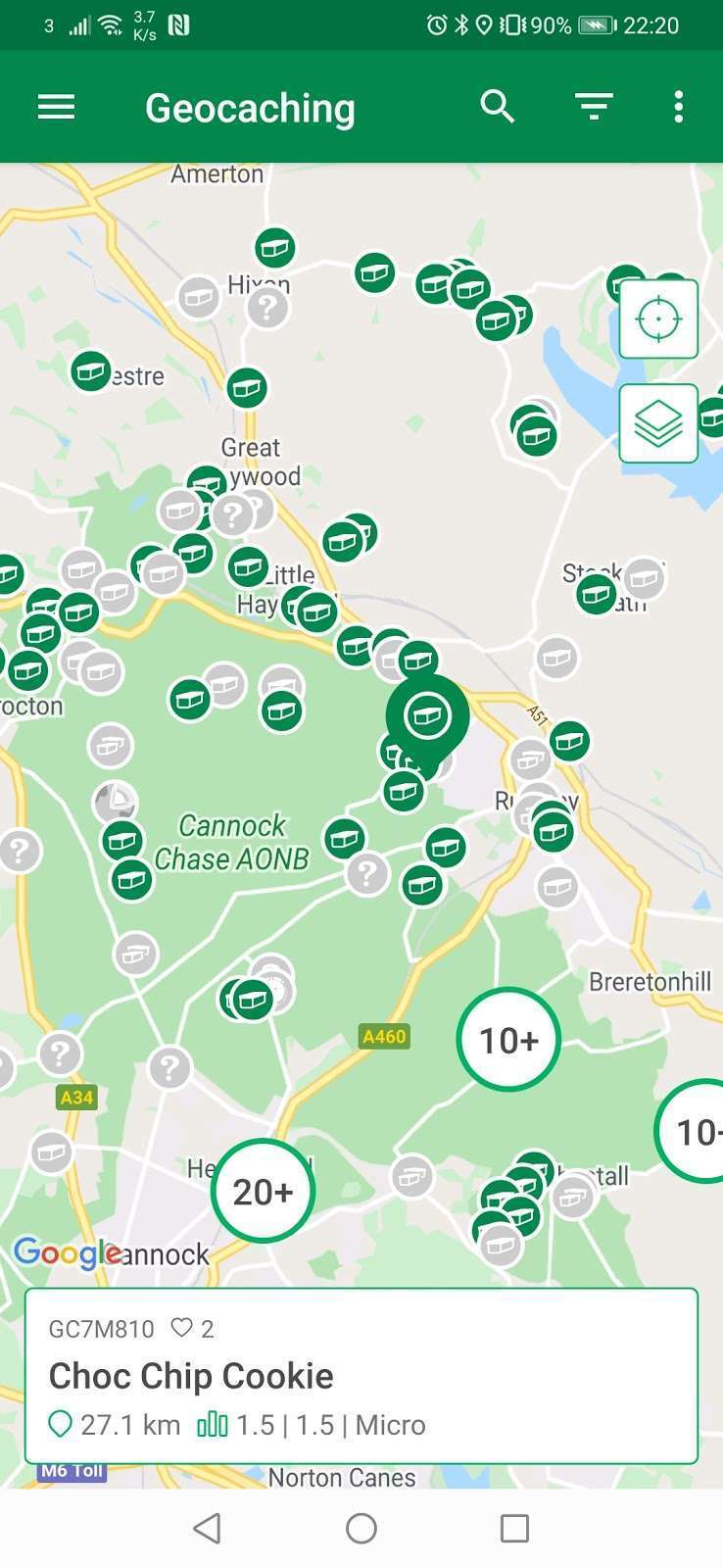 If you click on a cache there will be the following information:
- a full description of the cache, often including some history of the surrounding area and reason for the cache’s existence.
- a rating of its difficulty to find (1-5)
- a rating of the terrain difficulty (1-5)
- an indication of the size of cache (1-5) – a ‘microcache’ being the smallest
- a helpful hint if you’re struggling to find the cache when you get to its vicinity
If you want to start looking for the cache then click the ‘navigate’ button and off you go!
The other obvious item on the map is a blue triangle – this represents you, or more accurately your phone. The idea is to walk in the direction of the cache you’re trying to find. The app draws a handy line and compass as well as telling you how far you’ve got left.
 Get walking!
Geocaching is great exercise, and while you could use a bike or scooter to get around, most people choose to walk because the terrain is often (although not always) cross country.
Getting closer
As you approach the cache, your phone should buzz and tell you you’re getting really close. It’s at this point that you need to start concentrating.
Look around and try and put yourself in the shoes of the fiendish cache hider. They will have put it in a tricky position, but there are rules. They’re not allowed to bury the cache for example, or place it somewhere you cannot access without special equipment. It must be in a durable container – often these are tupperware boxes, or small little capsules. Occasionally they get more ingenious. I’ve seen a fake duck, a fake bolt on a park bench and other mindbending obfuscation!
If you’re getting really stuck then there are a few life savers – it’s like ‘ask the audience’ or ‘phone a friend’ on Who Wants To Be A Millionaire!
First up is the hint – normally I go straight to this because I’m impatient and don’t fancy rooting around in the undergrowth or under rocks and stones for ages. Believe me – it can still be tough to find a cache even after seeing the hint because often the setter uses cryptic clues which don’t help all that much. Many a time we’ve failed to find a cache, even after 30 minutes or so of trying!
If the hint fails then often we will look at the feedback for that cache from people who have successfully found it. You can check what date the last person to find it made their log entry on the app. If it’s months ago then there’s a chance the cache has been destroyed. If it was the day before then it should still be there.
Often previous finders give away little hints themselves on where it was found, and these can sometimes provide additional clues. Definitely worth a check!
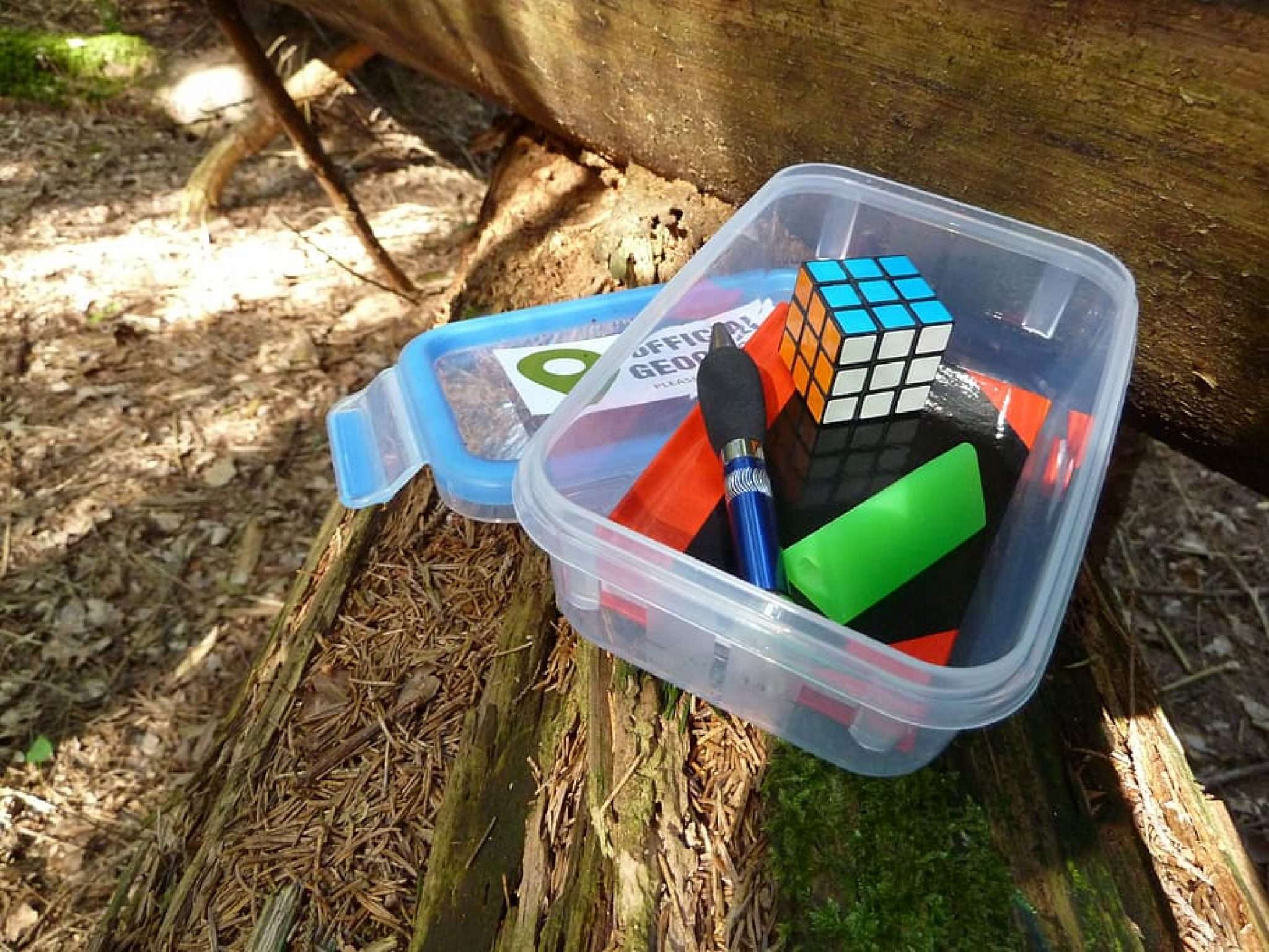
Wahey, you’ve found a cache!
Time to click the ‘Found Cache’ button. The icon on the map will switch to a yellow smiley face, and your score of found caches will increase by one.
Be sure to leave a note to the creator of the cache via the app interface – they appreciate hearing that people have found their little treasure, and it proves that it hasn’t been lost or damaged. These people take time out of their lives to set the caches for your enjoyment – the least you can do is say thanks….
What Equipment do I need for Geocaching?
First things first – make sure you have decent walking gear. We’ve reviewed a wide range of hiking gear at Camping Secrets, and encourage you to check out some of our recommendations.
- Comfortable Walking Boots
- Waterproof shell jacket
- Waterproof Overtrousers
- A small day backpack to carry your ‘caching kit’
In terms of gear for the actual caching, you only really need your smartphone, and potentially a waterproof cover for it. You may also want a spare battery pack to keep your phone topped up.
To make sure you stay on the right track the OS Map App is a great way to get you to where you need to go.
We recommend bringing along a pencil to sign the logbook of the cache – don’t bother with pens – they never work when you need them to!
For cleanliness (especially in these Covid-19 times) we also suggest bringing along some tweezers and antibacterial wipes or gel. The tweezers can help extract some of the smaller microcaches from their often tiny little hiding places.
 Trackables and Swapping Toys
Many caches include little toys inside the hidden box for the kids. These might range from little keyrings or nick-nacks, and the idea is that your child takes what’s there and replaces it with something they’ve brought along. As a result, make sure you bring something to swap, and take care that it won’t get damaged in bad weather. Something plastic is usually a good idea.
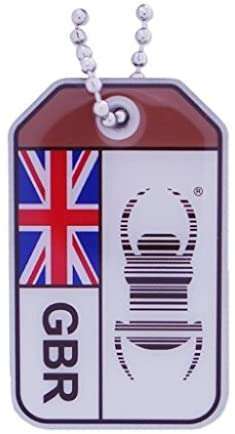
Another idea is to buy a trackable toy such as this Travel Bug keyring. These have a code on them which links to a website. As people move the trackable around from cache to cache you can track its progress and see where it ends up. Sometimes the trackable can end up on the other side of the world which is an amazing experience to see – it’s like a modern version of a Message In a Bottle!
Our Favourite Geocaches
My all time favourite geocache was very scary – it was in the middle of Cannock Chase in the Midlands back in 2016. Someone had taken time to set up a Halloween-themed cache in the middle of a forest. There was a whole shrine set up like something out of The Wicker Man. As I approached I could see some fiendish dolls in the tree and a little tomb with a door on it. I gingerly opened the tomb door and…… you’ll have to watch the video footage I took at the time!