Are you planning your first camping trip but feeling a bit intimidated? You should not feel isolated. Camping is a great experience, but it takes some adjustment time for first-timers. From packing the right gear to setting up camp and cooking meals, there are a lot of things to consider.
But fear not!
With a little preparation and some insider tips and tricks, you can have a successful and enjoyable camping trip. From picking the perfect campground to learning how to create a fire and practising outdoor safety, this article will provide you with the knowledge you need to enjoy your first camping experience.
So grab your tent, and let’s get started!
Essential Camping Gear For Beginners
Having the proper equipment may make a world of difference when camping. Here are a few essentials you’ll need for a successful camping trip:
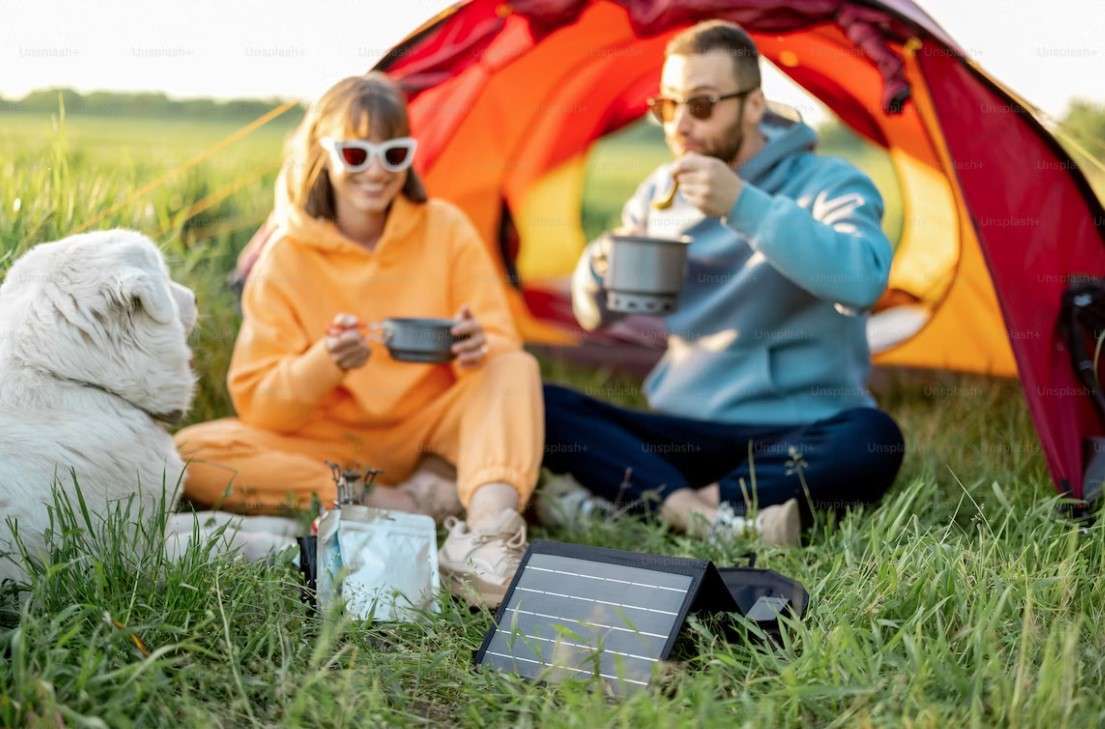
Tent: A good quality tent is an essential piece of camping gear. You’ll want to choose a tent that can comfortably fit everyone in your group and one that is easy to set up and take down. Look for a tent that is waterproof and has good ventilation to keep you dry and comfortable.
Sleeping Bag: A sleeping bag is another essential item for camping. Choose a sleeping bag that is appropriate for the temperature of the area you’ll be camping in. A sleeping bag that is rated for colder temperatures will keep you warm on chilly nights. For example, Land & Sea sleeping bags are a great option. They’re designed for varying climates and provide reliable warmth without being too bulky.
Camping Stove: A camping stove is a must-have for cooking meals while camping. Look for a stove that is easy to use and has adjustable heat settings. You’ll also need to bring along fuel for your stove.
Cooler: A good quality cooler is useful for keeping your food and drinks cold while camping. Look for a cooler that is big enough to hold everything you’ll need and one that is easy to transport.
Headlamp or Flashlight:A headlamp or flashlight is essential for navigating in the dark while camping. Look for a headlamp or flashlight that is bright and easy to use.
Choosing A Campsite
Once you’ve got your gear sorted, it’s time to choose a campsite. There are plenty of campsites ranging from basic wild camping spots to fully equipped campsites with showers and toilets. Think about what type of activities you want to do, how far away from civilization you’d like to be, and what kind of amenities are most important to you when making your campground selection.
If this is your first time camping, you may want to find a spot that has basic amenities like bathroom facilities and running water. These campsites can be a bit more crowded, but they’re also more convenient and offer a bit more peace of mind. If you’re feeling more adventurous, look for a wild camping spot that’s off the beaten path. Just make sure you’re aware of any rules or regulations in the area and always practice Leave No Trace principles.
Setting Up Your Campsite
After picking out a camping spot, it’s time to get everything ready for the night. Find a level spot that is free of obstacles like pebbles and sticks. Lay out your tarp or groundsheet, and then set up your tent. Make sure your tent is staked down securely and that the rainfly is attached if needed.
Next, set up your sleeping area. Inflate your sleeping pads, lay them out in your tent, and then unroll your sleeping bags. If it’s chilly outside, consider adding a liner or extra blankets to your sleeping bags for added warmth.
Finally, set up your cooking area. Clear a space for your camping stove, and then set up your pots and pans. Make sure you have a fuel source for your stove and that you have plenty of water for cooking and cleaning.
Campfire Safety And Cooking Tips
No camping trip is complete without a campfire. It’s crucial to know fire safety precautions before beginning any fire construction project. Always check for any fire restrictions or bans in the area, and choose a safe location for your fire. Prepare to put out the fire immediately by clearing the vicinity of any flammable materials and keeping a bucket of water or a shovel close at hand.
When building a fire, start with small kindling and work your way up to larger logs. Never leave a fire unattended, and always make sure it’s completely extinguished before leaving your campsite or going to bed.
When cooking over a campfire, use a camping stove or a grate to avoid damaging the ground and creating a fire hazard. To avoid getting sick from eating raw or undercooked food, always follow proper cooking and storage procedures.
Take Essential Medical Supplies
Accidents can happen while camping, so it’s important to be prepared. Here are a few medical supplies you’ll need for your camping trip:
First Aid Kit: A first aid kit is essential for treating minor injuries while camping. Make sure your first aid kit includes bandages, antiseptic, and pain relievers.
Prescription Medications: If you take prescription medications, make sure to bring enough for your entire camping trip by checking out Oxford Online Pharmacy.
Insect Repellent: Insect repellent is essential for keeping mosquitoes and other bugs away while camping.
Outdoor Activities To Enjoy While Camping
When you go camping, you may take advantage of the outdoors in many different ways. Get out and do some exploring by going on a walk or a bike ride. Try your luck with a fishing rod at one of the local waterways.
Bring a kayak or canoe and paddle about the lake if you’re setting up camp near one. You can also enjoy wildlife watching and bird watching.
Dealing With Wildlife And Bugs
When camping, it’s important to be aware of the wildlife and bugs in the area. In the UK, you’re unlikely to encounter any dangerous animals, but you might encounter insects like mosquitoes, ticks, or midges.
To avoid bug bites, wear long sleeves and pants, use insect repellent, and avoid camping near standing water. If you do get bitten, use calamine lotion or hydrocortisone cream to soothe the itch.
Never approach wild animals or try to feed them; instead, maintain a safe distance at all times. Keeping your food properly stored while camping is essential for keeping animals away from your camp.
What To Do In Case Of An Emergency
It’s crucial to have a strategy in place in case of an unexpected crisis. Ensure that you have a charged phone and emergency contacts readily available. If you’re camping in a remote area, consider bringing a satellite phone or a personal locator beacon.
Know the location of the nearest hospital or medical facility. If someone gets injured or falls sick, administer first aid and seek medical attention immediately.
Tips To Make Your Camping Trip Successful
Finally, here are a few insider tips to make your camping trip as enjoyable as possible:
Don’t forget to have fun and enjoy the experience!
Conclusion
Enjoyable as it is, camping might seem daunting to first-timers. If you follow these suggestions, your camping experience is sure to be fun and rewarding. Remember to pack the right gear, choose a safe and comfortable campsite, and be prepared for any emergencies that might arise. Above all, relax, and take pleasure in nature.